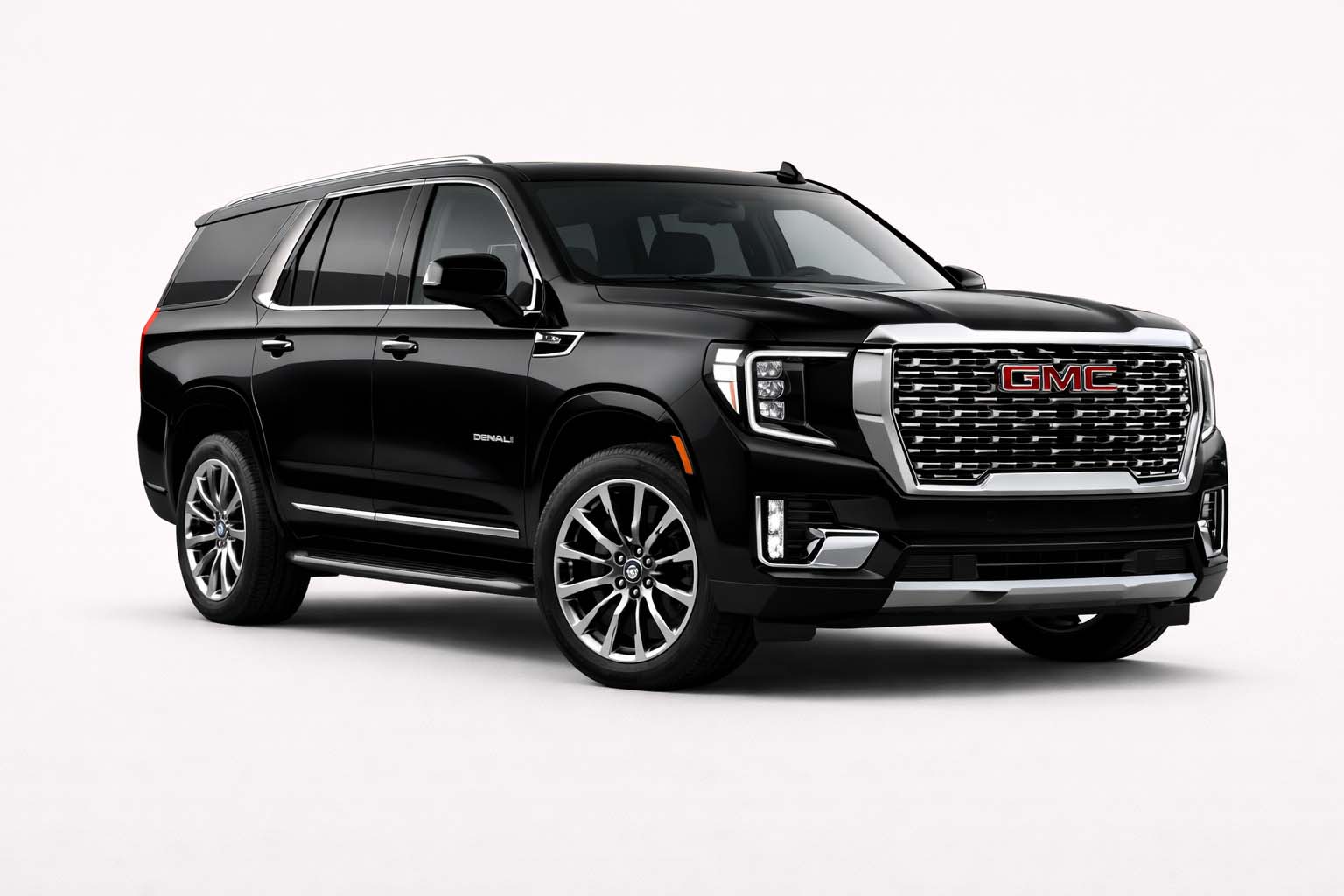
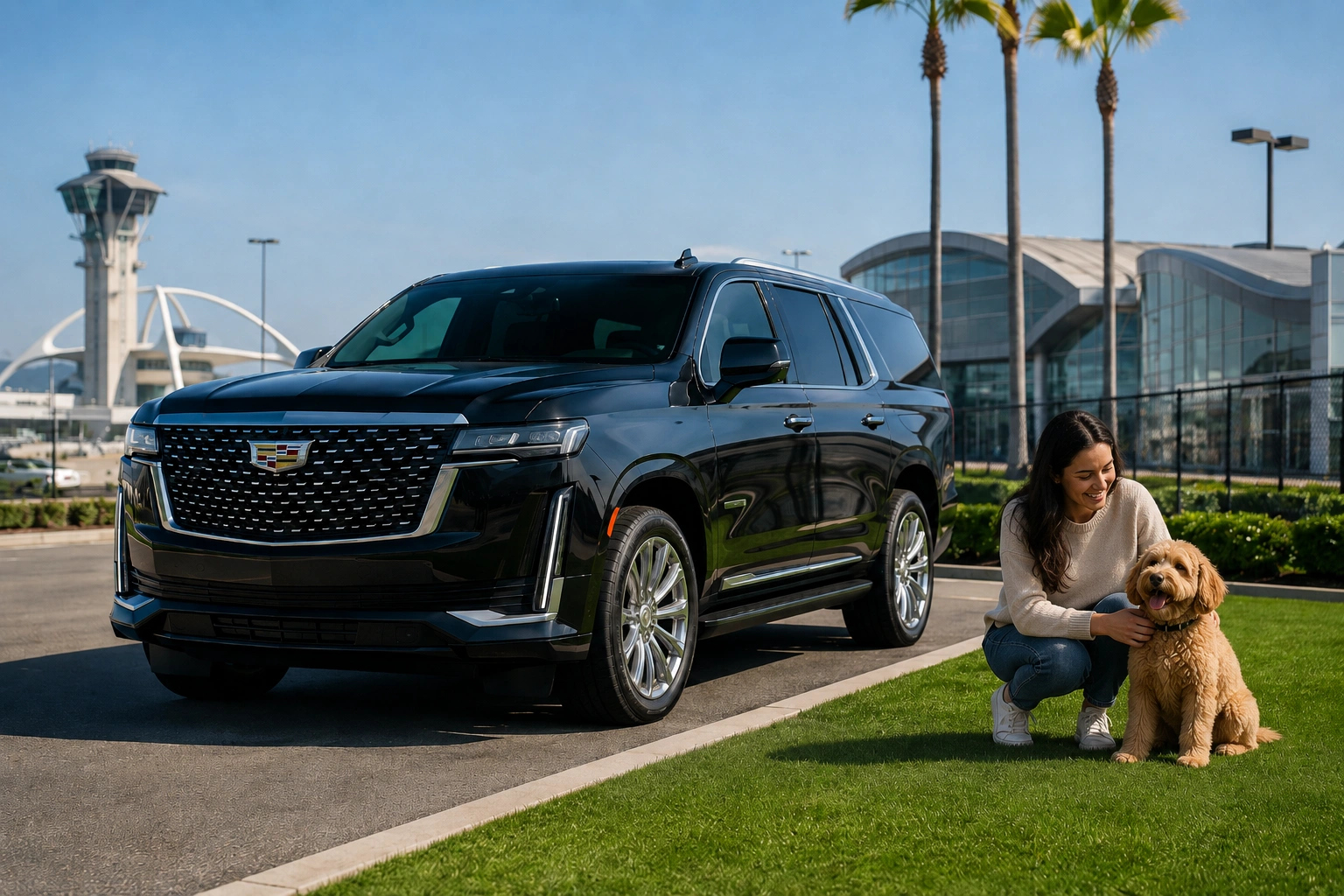
Event transportation Services in Los Angeles works best when the entire trip is treated as one coordinated chain: flight arrival → terminal pickup rules → vehicle staging → venue access → return timing. When these pieces are handled separately, small uncertainties—like where a traveler exits, how luggage is managed, or how curb access changes—turn into compounding delays that affect the whole schedule.
Planning around an award show? See our dedicated guide to Emmys transportation in Los Angeles, with hourly chauffeurs and multi-vehicle coordination for Emmy week.
At LAX To Go Limos, every event-linked transfer follows a repeatable plan built around verified pickup points, buffer timing, and route logic tied to the real pickup method. The goal is simple: a calm handoff, a comfortable ride, and arrivals that respect fixed call times for corporate agendas, concerts, and private events.
Why airport-linked event transfers require a single coordinated plan
Airport-to-event moves succeed when flight timing, terminal constraints, and venue schedules are managed as one operational sequence—not separate tasks.
To keep that sequence stable, we focus on four controls that reduce day-of friction:
-
Verified pickup point: terminal level + curb side + a clear handoff spot (and a fallback location if curb conditions shift).
-
Passenger readiness buffer: time allowance for baggage claim, walking distance, and terminal flow.
-
Vehicle staging logic: timing that avoids repeated loops and minimizes curbside exposure.
-
Route planning tied to pickup method: the “fastest route” is not always best if it ends at a blocked curb or forces unsafe loading.
This is what reliable event transportation services in Los Angeles look like in practice: fewer last-minute calls, less curb confusion, and a pickup that feels controlled.
How we handle LAX → Beverly Hills event transfers (a real operational example)
Transfers from LAX to Beverly Hills may look simple on a map, but daily success depends on how quickly the passenger clears the terminal and how stable the pickup environment is at that moment. Comfort starts with avoiding rushed loading and unnecessary walking with bags.
To keep this corridor smooth, we treat the handoff as the key moment:
-
We verify terminal + airline because it affects legal pickup zones and walking distance to the curb.
-
We stage the vehicle based on expected clearance time so the driver isn’t forced into repeated loops.
-
We confirm luggage volume early, because loading time changes how long a vehicle can safely occupy curb space.
When travelers ask for a reference example during planning, we sometimes use car service lax to beverly hills as a corridor scenario to align expectations—especially when the transfer must connect directly into a fixed venue schedule.
Corporate events: why timing fails at “interfaces,” not on the freeway
Corporate schedules fail most often at the interfaces:
-
flight arrival → pickup
-
pickup → venue
-
venue → next commitment
Each interface has different constraints, so it helps to treat the day as a controlled sequence rather than “a ride.” That’s why corporate clients typically care about process clarity more than anything else.
To protect fixed call times, we confirm:
-
attendee count + luggage assumptions
-
whether stops occur between airport and venue
-
venue loading rules (where a vehicle can wait, and for how long)
-
contact method and handoff confirmation process
Operational rule: the more fixed the schedule, the more important it is to reduce ambiguity at every handoff.
Navigating Los Angeles traffic: route planning tied to pickup and curb reality
Traffic planning in Los Angeles is not only about congestion. It’s also about how freeway ramps, terminal approach roads, and venue driveways behave at specific times. A route can be “fast” and still fail if it ends at a blocked curb or forces unsafe loading.
Our dispatch uses route logic that protects the pickup method:
-
We pick approach routes that reduce last-minute lane changes near terminal entrances.
-
We budget for curb circulation when the pickup lane is saturated.
-
We align driver arrival to the passenger’s actual readiness, not a generic ETA.
-
We document a secondary approach path in case closures or incidents change the terminal road pattern.
Result: timing becomes a controlled variable rather than a hope.
Luxury travel: quiet, predictable handoffs across multiple touchpoints
Luxury itineraries often involve multiple touchpoints—hotel, airport, dinner, and a venue—where each stop has different loading rules and different tolerance for waiting vehicles. Operationally, the key is to reduce ambiguity at every handoff so the experience stays calm and consistent.
We define the pickup method in advance, including whether the plan needs curbside pickup or a designated collection point. When visitors are unfamiliar with the airport, we clarify where to stand with the same specificity as when to leave.
Itinerary element → Operational focus
| Itinerary element | Operational focus |
|---|---|
| Hotel loading | Confirm driveway access and whether valet control affects where a vehicle can wait. |
| Venue arrival | Align entry timing with door policy so the vehicle is not forced to circle. |
| Airport segment | Pre-define the handoff point so the passenger does not search across terminal levels. |
This itinerary-to-access matching is how we keep luxury movements predictable without unnecessary noise or friction.
Safety protocols that keep airport-linked event transportation stable
Safety in airport transportation is mostly procedural: operate within curb rules, load passengers without blocking traffic, and avoid rushed decisions when conditions change. A safe outcome depends on calm coordination rather than improvisation.
We maintain safety through repeatable controls:
-
Use flight tracking to anticipate arrival shifts and reduce last-minute pressure.
-
Keep loading time realistic to avoid hurried curbside behavior and bag mishandling.
-
Define a contingency pickup point when curb conditions are unstable.
-
Provide written, repeatable driver instructions to prevent misunderstandings at terminals and venues.
These controls protect both comfort and compliance—especially during late arrivals and crowded curbs.
Destination coverage: corridors behave differently, so planning must adapt
Destination coverage matters because different corridors behave differently. For airport transfers, the relevant question isn’t distance; it’s how reliably the route supports a fixed pickup or drop-off window.
Corridor type → Operational implication
| Corridor type | Operational implication |
|---|---|
| Westside | Short distances can still require extra buffer due to surface-street bottlenecks near airport approaches. |
| Valley | Freeway incidents can swing ETAs widely, so earlier staging protects terminal timing. |
| OC direction | Longer run time makes early departure discipline more important than last-minute routing tweaks. |
As a result, destination planning becomes methodical rather than guesswork.
Group travel and special occasions: reduce loading time, not just driving time
Group travel introduces a basic operational challenge: loading and unloading take longer, and the group is only as fast as the slowest person. At airports, that interacts with curb rules and limited curb occupancy windows.
To support group movements, we standardize:
-
a clear assembly point (so passengers don’t arrive in multiple waves)
-
luggage assumptions (which determine loading time and vehicle fit)
-
venue exit timing (crowds and door control can delay boarding more than driving)
-
a simple route plan (multi-stop complexity amplifies delays)
When passenger counts and timing require a single controlled move, we may coordinate party bus rental Los Angeles to keep the group together under one schedule.
Consistent service quality: predictable results come from predictable inputs
Consistency is achieved by reducing variability: the same input details should create the same operational plan regardless of day or terminal. When inputs are missing, comfort drops because decisions are forced into the moment—usually at the curb or in traffic.
We keep quality stable by confirming:
-
passenger count + luggage (vehicle fit and realistic curb loading time)
-
standardized pickup instructions (exactly where to stand + how to identify the driver)
-
fallback contact method (if the terminal environment is noisy or crowded)
-
timing decisions recorded for follow-up legs and realistic buffers
When passengers request child safety needs, we route them through lax car service with car seat during planning because that constraint affects vehicle assignment and loading time.
FAQ'S
What are the best transportation services for events in Los Angeles?
The best fit depends on passenger count, luggage, venue access rules, and exact timing. A reliable service should operate as a scheduled, location-verified move with clear pickup instructions and staged arrival timing—especially when flight arrivals connect to fixed venue schedules.
How do I choose a reliable event transportation service in Los Angeles?
Reliability comes from process clarity: confirmed pickup point, documented itinerary, and clean driver-dispatch communication. Look for a provider that sets the handoff method in advance, includes buffer timing for terminal flow, and defines a fallback meeting option if curb access changes.
What types of events are covered by transportation services in Los Angeles?
Most requests involve corporate meetings, weddings, private dinners, concerts, and group arrivals tied to flights. The key is matching vehicle type to airport/venue loading zones and coordinating each leg as part of a sequence.
How much does professional Event transportation Services in Los Angeles usually cost?
Pricing varies by distance, vehicle class, timing, and service scope. For accurate quoting, itinerary details should be confirmed first (passenger count, luggage assumptions, fixed call time, and stops), then an all-in quote can be aligned with the transportation workflow.
Final note
Effective airport-linked event moves rely on verified pickup points, compliant curb procedures, and dispatch timing that accounts for terminal flow, luggage, and changing road conditions. When these elements are managed as one operational chain, safety improves and delays become less disruptive to the overall schedule.
Event transportation services in Los Angeles should be evaluated by process clarity, documentation, and contingency readiness, not appearance. Coordination can be completed in a structured, repeatable manner with LAX To Go Limos.